The strategic context
Our West Africa export readiness engagement produced a signed export contract for a women-led Nigerian cooperative producing white hulled sesame seeds, connecting them with buyers across MENA and East Asia. The engagement proved that the gap between African agricultural producers and international markets is not product quality. It is commercial infrastructure: specifications, documentation, buyer-facing communication, and a structured first-order pathway that makes procurement teams comfortable committing capital.
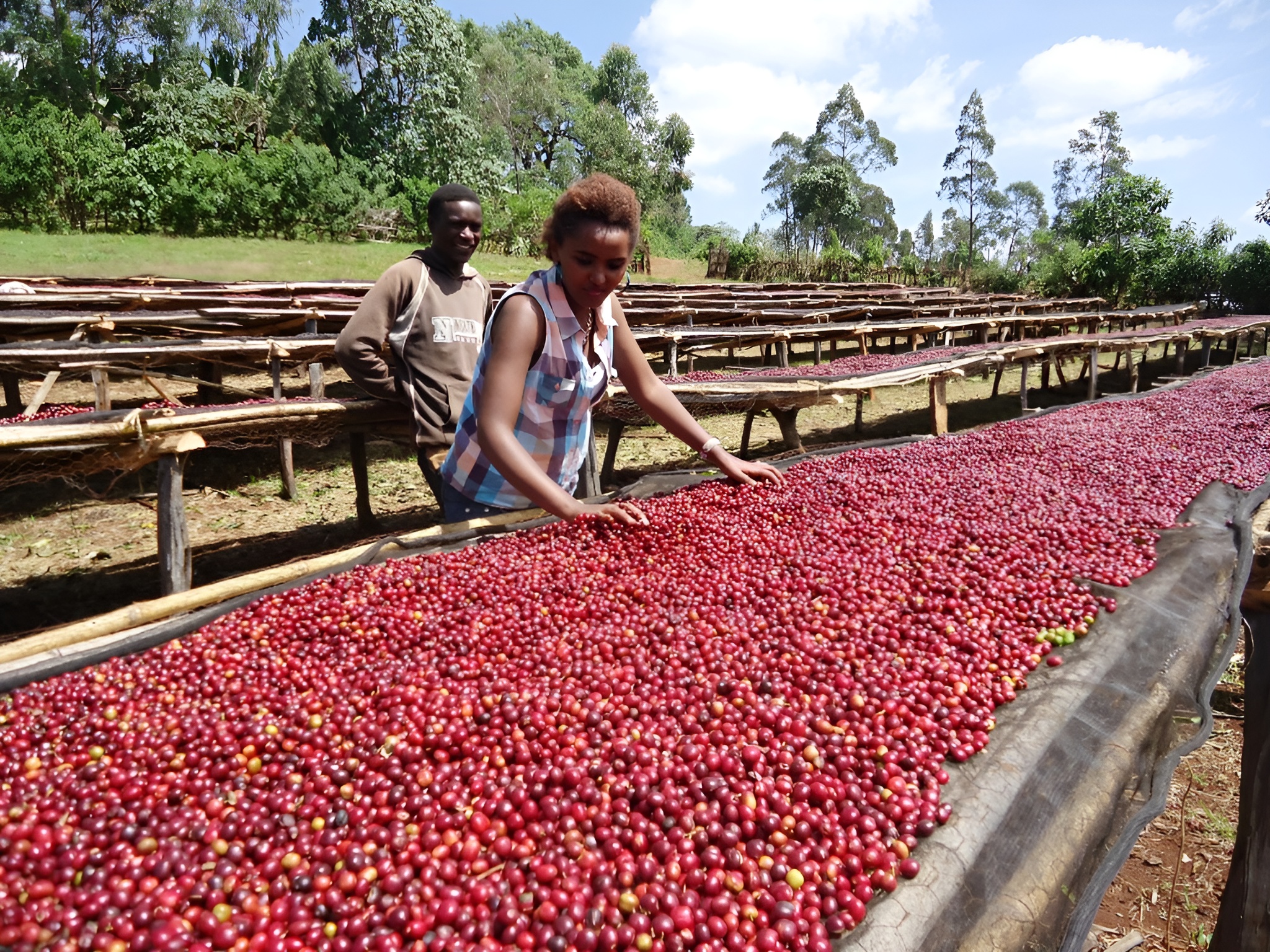
This second engagement extends that model to East Africa, targeting a cooperative in Ethiopia, Tanzania, or Kenya. The product lane could include sesame, coffee, cashews, or specialty grains, depending on the cooperative's baseline capacity and market demand. The methodology remains the same. The geography and product change. That is the test of repeatability.
Why East Africa, why now
East Africa offers specific enabling conditions that make export readiness engagements commercially viable. Ethiopia's commodity exchange operates an electronic warehouse receipt system where receipts represent legal title and are transferable through a central depository, enabling inventory financing that gives cooperatives working capital without forced selling at harvest prices. Tanzania offers tax incentives for processing investment, including corporate tax exemptions and VAT exemptions on capital goods for cashew processing, which can improve the cost structure for cooperatives that invest in value-added processing.
The AfCFTA framework adds a regional dimension: reduced intra-African tariffs can lower input costs for East African processors sourcing materials from neighboring countries, which improves the pricing competitiveness of the finished export product. These are not theoretical advantages. They are operational mechanisms that change the economics of specific commodity lanes.
The engagement methodology
Phase 1: Readiness assessment
We assess the cooperative's current state across five dimensions: product consistency, production capacity, post-harvest handling infrastructure, documentation readiness, and buyer-fit requirements for target markets. The goal is to identify the first export lane that can succeed with the least risk and the fastest learning cycle. Not every product the cooperative produces is export-ready. We find the one that is closest and build from there.
Phase 2: Commercialization and specification
We convert product knowledge into a buyer-ready spec package: grade definitions, quality parameters (moisture, purity, size distribution, or whatever applies), packaging formats, MOQ tiers, lead time ranges, and acceptance criteria. This document is the foundation of every buyer conversation that follows. Without it, the cooperative is selling a story. With it, they are selling a verifiable product. The export readiness framework in our insights section covers this layer in detail.
Phase 3: SOPs and trade documentation
We establish standard operating procedures for quality checkpoints, lot traceability, and document generation. This includes templates for commercial invoices, packing lists, certificates of origin, and category-specific compliance documents. The governance model defines who owns document accuracy, who approves, and how changes are controlled. Documentation discipline is the single most common failure point for African exporters entering international markets.
Phase 4: Buyer-facing collateral and outreach
We produce buyer-facing materials aligned with how procurement teams actually evaluate suppliers: capability statements, spec sheets, and a structured first-order pathway. Outreach is then enabled with a consistent response cadence and a proof pack that answers the buyer's questions before they ask them.
Phase 5: Market prioritization and onboarding
We prioritize target markets and buyer profiles, focusing on corridors where the cooperative can win on quality and documentation discipline, not just price. MENA markets for sesame. EU specialty markets for coffee. East Asian buyers for cashews. Each corridor has different documentation requirements, quality expectations, and commercial norms. We coordinate buyer introductions, sample workflows, and first-order negotiation support for the prioritized lanes.
This section will be updated with approved metrics once the engagement is complete: time from assessment to buyer-ready export package, number of buyers engaged and qualified, sample pass rate, first purchase order value, and reduction in documentation errors. Results from the Nigeria engagement serve as the baseline benchmark.
Export readiness is a project, not a brochure. The deliverable is operational proof: specs that survive procurement review, documentation that clears customs without delays, quality checkpoints that prevent disputes, and a buyer onboarding path that reduces risk for international procurement teams. The Nigeria engagement proved the model works. The East Africa engagement proves the model is repeatable. That is the difference between a case study and a practice area.
Why this matters for Mansa Merch
A second successful export readiness engagement transforms this service line from a single proof point into a scalable offering. Cooperatives and producers across Africa face the same structural gap: strong product, weak commercial infrastructure. Every engagement follows the same five-phase methodology, adapted to the specific commodity, geography, and buyer market. The Nigeria model provides the template. East Africa provides the proof of transferability. From there, we can serve cooperatives across the continent with a documented, repeatable delivery model.