The procurement problem this solves
Global sourcing fails most often in the gap between "supplier selection" and "purchase order commitment." The buyer has a quote, a factory profile, and photos. What they do not have is proof that the goods match the specification at the point of production. When that proof comes only after bulk shipment has arrived at the US port, the organization pays twice: first in cost, then in time and customer trust rebuilding.
The time dimension makes this worse. Dimerco's shipping lane guidance shows typical ocean freight transit times from Southeast Asia to the US clustering around 20-30 days to the West Coast and 30-45 days to the East and Gulf Coasts. If quality issues are discovered after that transit window, the cost of returns, rework, or dispute resolution is compounded by the cycle time to source replacement goods. A procurement checkpoint before bulk shipment compresses that risk window from months to days.
The hub: what it is and where it sits
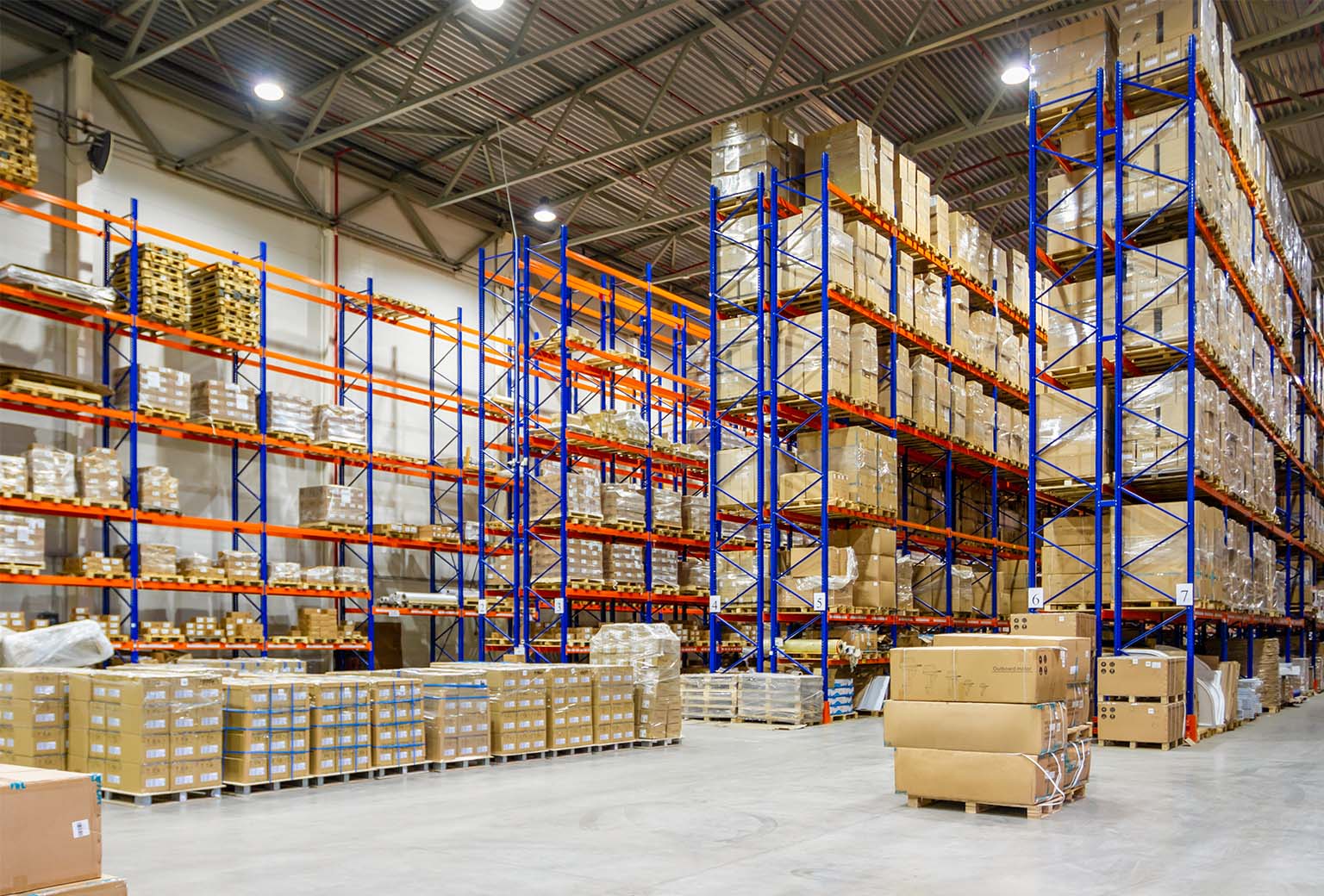
Mansa Merch operates a procurement and quality verification facility in the Philippines, positioned within the Southeast Asian logistics corridor. The hub sits between the supplier markets (Thailand, Vietnam, Indonesia, China) and the Western buyer destinations. Instead of shipping samples directly to the US at 2-3 weeks transit time and high cost, samples route to our Philippines checkpoint first. We receive them, inspect against the client's specifications, document the findings, and conduct a live video walkthrough with the client.
The client sees exactly what they are buying before committing to a full purchase order. That is the value proposition distilled to one sentence.
The verification workflow
- Supplier identification and outreach: We identify potential suppliers in the target country and manage initial engagement, capability screening, and sample requests on behalf of the client.
- Sample routing to Philippines hub: Samples ship to our facility instead of directly to the client. Transit time from most Southeast Asian origins to the Philippines is 3-7 days, compared to 20-45 days to the US.
- Documented inspection: We inspect against the client's specification using a defined acceptance methodology. For manufacturing inputs and consumer goods, Acceptance Quality Limit (AQL) sampling provides a recognized framework. The ANSI overview of ISO 2859-1:2026 describes AQL as the maximum acceptable defect rate in a lot and provides sampling procedures for inspection by attributes. In practice, this lets buyers and our team define what "acceptable" means before inspection begins, which eliminates subjective disputes after the fact.
- Live video walkthrough: We conduct a structured call with the client where they see the sample in real time, ask questions about finish, tolerances, materials, and packaging, and make an informed decision with visual evidence.
- Decision documentation: Accept, reject, or rework. If rework is needed, we document the required corrective actions and coordinate with the supplier. If accepted, we support PO issuance and delivery coordination.
- Ongoing checkpoint (optional): For repeat orders and new supplier onboarding, the hub serves as a standing quality gate. Suppliers know that every production run will be sampled and verified before the client commits to bulk shipment.
What this eliminates for the client
- Post-arrival defect discovery: Quality issues are caught in-region before capital is committed to bulk production and ocean freight.
- Direct-to-US sampling cost: Shipping samples to the Philippines is faster and cheaper than shipping to the US for evaluation.
- Language and quality interpretation gaps: Our team bridges the communication between Western buyer expectations and Asian manufacturer processes.
- The 75% defective shipment scenario: The outcome where a majority of a bulk shipment arrives unusable because quality was never verified in-region. This is the scenario the hub is specifically designed to prevent.
- Specification misalignment: The gap between what was specified and what was produced, caught before money is committed rather than after.
The difference between procurement advisory and procurement infrastructure is physical presence. We can tell you which supplier to use. We can also receive the sample, inspect it against your spec, show it to you on camera, and document the result. That second capability is what prevents the expensive surprises.
This section will be updated with approved client data: reduction in decision cycle time (sample review to PO release), defects caught before bulk shipment, cost avoided from rework or rejected shipments, and improvement in repeat-order confidence and supplier scorecards.
A physical procurement checkpoint converts verification from "we think it's fine" into "we saw it, measured it, and documented it." That shift is what prevents expensive surprises after bulk shipment. Most procurement firms offer advice. Very few offer infrastructure. The Philippines hub is infrastructure: a standing quality gate inside the supply corridor that makes every supplier verification tangible, observable, and defensible.
Why this matters for Mansa Merch
The QA hub is the clearest expression of how we differ from advisory-only procurement firms. It pairs directly with our supplier verification, cross-border trade support, and project delivery oversight capabilities. When a client engages us for dual-sourcing qualification in Southeast Asia, the hub is where samples get verified. When a client needs ongoing supplier quality governance, the hub is the checkpoint that enforces standards. It is not a service we describe. It is infrastructure we operate.